Termite Treatment Melbourne
Six signs you need Termite Treatment Melbourne
Termites work silently inside timber for months before anyone notices. By the time damage is obvious, repair costs can reach tens of thousands. Catching these six signs early makes treatment far simpler and cheaper.
Sagging or bouncy floors
Subfloor bearers eaten from inside lose structural integrity, making timber floors feel soft or flex under foot.
Hollow sound when tapped
Tap a skirting board, door frame, or timber stud. A deep, hollow knock means the inside has been consumed.
Mud tubes on walls or piers
Subterranean termites build pencil-thin earthen tunnels to travel between soil and timber while staying moist and hidden.
Damaged or blistered timber
Paint bubbling on skirting or door frames often indicates termites feeding just beneath the surface, not moisture.
Discarded wings near windows
Flying termites (alates) shed wings after swarming to start new colonies. Piles of tiny wings on window sills signal nearby activity.
Tight-fitting doors or windows
Termites produce moisture as they feed. This can warp timber frames so that doors and windows suddenly stick or refuse to close properly.
How we handle it — four steps
Treating termites without knowing the species, colony location, and construction type is guesswork. Our four-step process follows AS 3660 and starts with a full inspection before any product is applied.
Termite inspection
Full AS 3660 inspection of the building, subfloor, roof void, and perimeter. We confirm species, map active zones, and identify construction vulnerabilities before recommending treatment.
Treatment selection
We present your options: chemical soil barrier (Termidor or Premise), in-ground baiting system (Exterra or Trelona), or reticulation system for new builds. The right choice depends on construction type and colony access.
Treatment installation
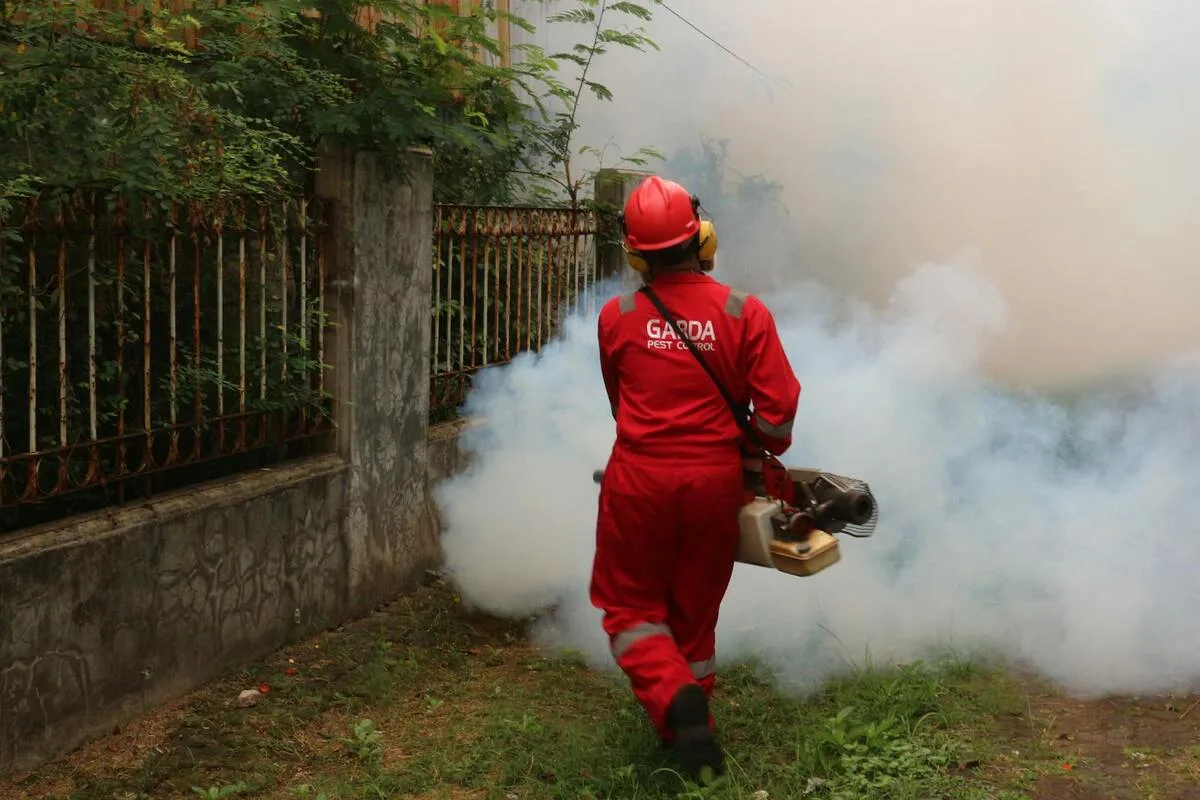
Chemical barriers are applied by rod injection, trenching, or drilling at the perimeter and subfloor. Bait stations are placed around the property at termite activity points and checked regularly until the colony is eliminated.
Report and warranty
You receive a full written report, product data sheets, and warranty documentation. Termidor barrier treatments carry an 8-year product guarantee. Bait programs include scheduled monitoring visits.
What's included in this service
- Full AS 3660 inspection before treatment begins
- Species identification and colony mapping
- Chemical barrier using Termidor or Premise (where suitable)
- In-ground baiting system installation (Exterra or Trelona)
- Written treatment report and product warranty documentation
- 8-year guarantee on Termidor barrier treatments
- Follow-up monitoring visits included with bait programs
- Safe re-entry guidance for residents and pets
What affects the price of Termite Treatment Melbourne?
- Property size and perimeter length requiring treatment
- Construction type (slab on ground, suspended floor, or stump subfloor)
- Treatment method selected (chemical barrier vs baiting system)
- Severity of active infestation and extent of existing damage





Covering Melbourne and surrounds
Licensed technicians across every major Melbourne region — same-day bookings available.
Melbourne CBD
CBD
High-rise cockroach and bed bug pressure; same-day commercial treatment available.
View area →Richmond
Inner East
Heritage terrace stock — termite and rodent risk concentrated in timber subfloor.
View area →Footscray
Inner West
Older weatherboard housing increases termite activity; hospitality precinct needs routine pest management.
View area →St Kilda
Inner South
Coastal apartment blocks and hotels drive bed bug and seagull nest calls.
View area →Brunswick
Inner North
Warehouse conversions and café strips; rodent and cockroach pressure is year-round.
View area →Box Hill
Eastern
Mixed housing stock with mature trees — possums and termites the leading callouts.
View area →Dandenong
South East
Industrial and light-commercial zones; rodent and bird-nesting work dominates.
View area →Frankston
South
Bayside conditions raise ant and spider activity; autumn rodent surge is predictable.
View area →Common Questions About Termite Treatment Melbourne
A chemical barrier treats the soil around your home so termites die when they pass through it. Termidor, the most widely used product, has a transfer effect that carries the chemical back to the colony. A baiting system uses in-ground stations containing a slow-acting bait that workers feed to the colony, eventually eliminating it. Barriers suit most Melbourne homes, but baiting is preferred where barriers cannot be installed continuously, such as around concrete pathways or garden beds against the structure.
Termidor and Premise chemical barriers carry an 8-year product guarantee when applied by a certified installer. The actual life depends on soil disturbance, landscaping changes, and water events near the treatment zone. Baiting programs continue until the colony is confirmed eliminated, then move to an annual monitoring schedule.
Yes. Fumigation (tenting) is not standard practice for subterranean termites in Victoria. Chemical soil barriers and baiting systems deal with the colony at soil level, which is where subterranean species nest. Tenting is mainly used for dry wood termites, which are rare in Melbourne.
No. Most Australian home insurance policies explicitly exclude termite damage. This is why treatment matters: the average termite repair bill for a Melbourne home runs between $10,000 and $30,000, and it comes entirely out of your pocket. A treatment program costs a fraction of that.
Yes. We cover all of greater Melbourne, including Brunswick, Box Hill, Footscray, Richmond, Dandenong, and surrounding suburbs. Call 03 7045 1737 or book online for a same-day response.
Do not disturb them. Do not spray with fly spray or expose them to light. Disturbed termites will scatter and seal off their tunnels, making treatment harder. Leave the area as you found it, call us, and we will arrange an inspection within 24 to 48 hours.
Ready to deal with Termite Treatment Melbourne?
Same-day service available across Melbourne. Licensed technicians, 100% satisfaction guarantee.
Termite damage or water damage?
Termite damage and water damage can look almost identical to the untrained eye. Both cause timber to soften, discolour, and deform. These differences help you figure out which problem you are actually dealing with before you call anyone.
| Attribute | Termite damage | Water or wood rot |
|---|---|---|
| Pattern | Hollow galleries running with the grain, often paper-thin surface intact | Soft, crumbling fibres across the grain; no internal gallery structure |
| Texture | Surface may look normal but collapses under finger pressure; dry inside | Spongy or wet to the touch; fibres separate easily when pulled |
| Sound when tapped | Deep hollow knock even on areas that look undamaged | Dull thud; timber sounds dense but feels soft when pressed |
| Where found | Subfloor bearers, skirting boards, wall studs near soil contact | Around plumbing, gutters, roof penetrations, or leaking windows |
| Mud tubes present | Often yes; pencil-thin earthen tubes on masonry, piers, or walls | Never; mud tubes are a termite-only sign |
| Smell | Faint musty or earth smell inside galleries; not strong | Strong damp or mouldy smell; fungal growth often visible nearby |